

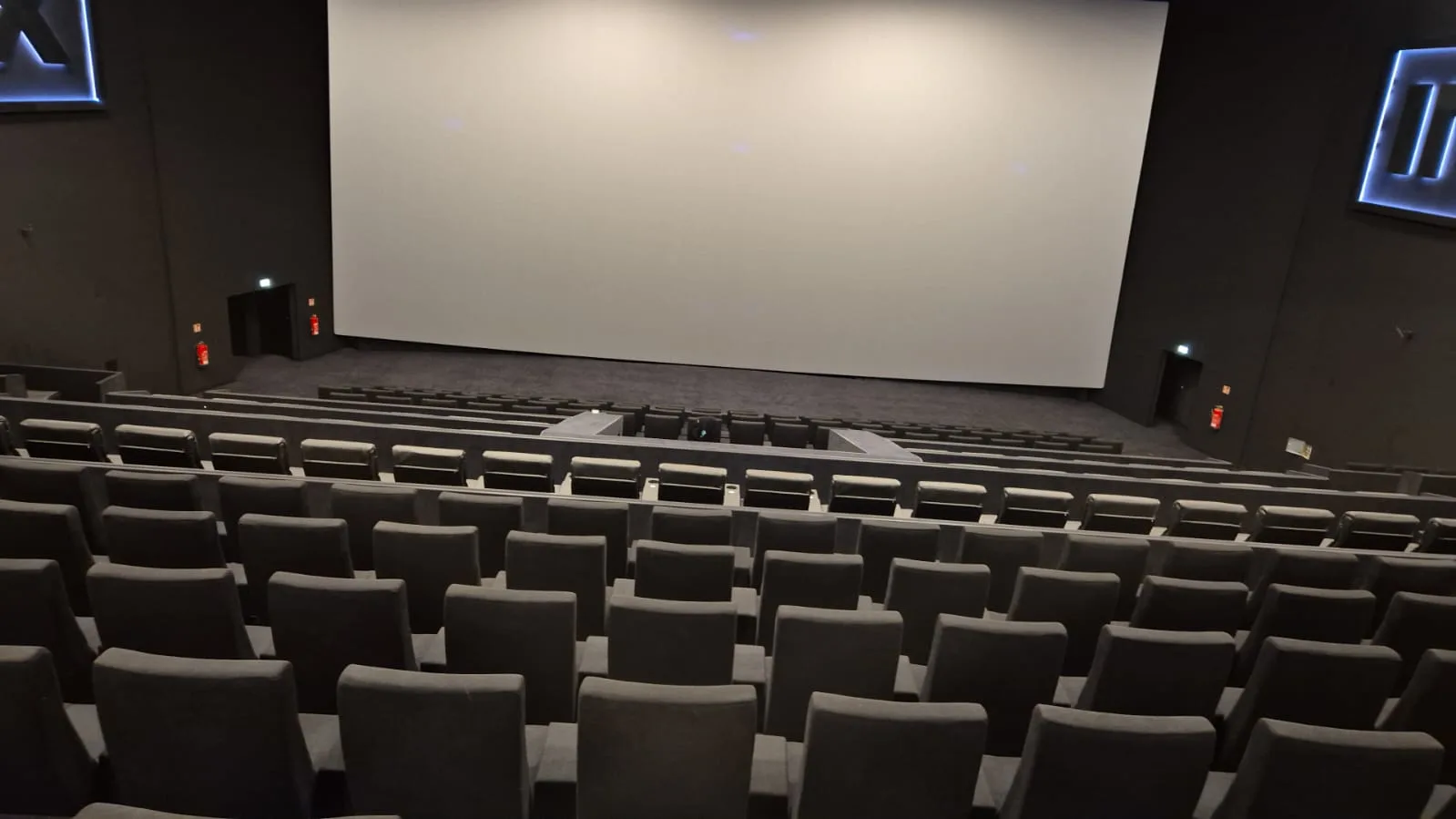
A Cinema Seat Company Built Around Use
A cinema seat company is not defined by what it produces, but by how its products behave once the lights go down. In a darkened theatre, seating is no longer a visible feature. It becomes a silent system that either supports the experience or slowly disrupts it.
Cinema seating is not judged in showrooms. It is judged during long screenings, late sessions, and repeated daily use. This reality shapes how a cinema seat company must think, design, and produce.
Thinking Beyond the First Impression
Cinema seats are often evaluated visually at first glance. However, appearance fades quickly once the audience sits down. What remains is how the seat feels, sounds, and supports the body over time.
A cinema seat company focused on real use considers
how quickly the body settles
whether posture is maintained naturally
how the seat behaves after hours of sitting
First impressions matter, but endurance matters more.
Consistency Across Every Seat
In a cinema, no seat exists alone. Hundreds, sometimes thousands of seats must behave exactly the same way. A single inconsistent unit can break the balance of the room.
This is why a cinema seat company prioritizes
uniform production standards
controlled tolerances
repeatable assembly methods
Consistency is not a manufacturing preference. It is a requirement for a coherent theatre experience.
Comfort Designed for Attention
Cinema seating comfort is not meant to relax the viewer completely. The goal is to support focus, not sleep. Excessive softness often leads to restlessness and distraction.
Effective cinema seat companies design comfort through
supportive geometry rather than deep cushioning
balanced seat depth and back angle
pressure distribution over long sessions
The seat supports attention by staying out of the way.
Silence as a Core Expectation
Any sound from a cinema seat is immediately noticeable. A creak, a vibration, or a loose component can interrupt immersion in seconds.
For this reason, cinema seat companies treat silence as a baseline standard. Seats are expected to
remain quiet during sitting and standing
resist noise development over time
stay stable under constant use
Silence is not added later. It is built into the structure.
Built for Repetition and Routine
Cinema seats are used daily, often continuously. Different people, different body types, different behaviors all interact with the same seat.
A cinema seat company designs for
repeated load without fatigue
resistance to loosening
stable performance long after installation
The seat must feel familiar on its thousandth use, not different.
The Role of Seating in Theatre Layout
Seating defines how a cinema functions spatially. Row spacing, alignment, and seat dimensions influence circulation, sightlines, and overall comfort.
Well planned cinema seating contributes to
smooth audience movement
clear visual order inside the hall
consistent viewing angles across rows
The seat becomes part of the architecture rather than an object placed within it.
Maintenance and Daily Operation Reality
Between screenings, cinema staff clean, inspect, and prepare the theatre again. Seating that ignores this reality creates operational strain.
Cinema seat companies with field experience consider
ease of cleaning
durability of contact surfaces
minimal need for adjustment or repair
Operational simplicity protects both performance and longevity.
Visual Restraint Inside the Dark Room
Cinema seats occupy most of the visible area before the lights dim. Once the film begins, they should disappear visually.
Successful cinema seat companies favor
repetition over individuality
calm forms over expressive design
visual balance that supports the screen
The seat frames the experience without competing with it.
Longevity as a Measure of Credibility
A cinema seat company earns credibility over time. Seats that remain stable, quiet, and comfortable after years of use speak louder than any claim.
Longevity depends on
structural discipline
material choices that age evenly
manufacturing decisions made for the long term
Cinema seating is a commitment, not a short term product.
When the Seat Is No Longer Noticed
The clearest sign of success is absence. Audiences leave remembering the film, not the chair. Operators focus on programming, not seating problems.
When a cinema seat company does its job correctly
seating fades into the background
attention stays on the screen
the theatre feels consistent and reliable
The seat becomes part of the cinema’s rhythm.
Supporting the Experience Without Taking Credit
A cinema seat company works behind the scenes of every screening. Its contribution is not visible, but it is constant. By supporting posture, maintaining silence, and withstanding repetition, seating allows the cinema to function as intended.
The most valuable cinema seating does not try to stand out. It stays in place, performs quietly, and supports the experience without asking to be noticed.
That quiet reliability is what ultimately defines a cinema seat company built around real use.
Created By : Simko Cinema Seating